Resurrecting the Barton Opus: Detroit's Forgotten Musical Marvel
In the heart of Detroit, a remarkable musical instrument that once captivated audiences during the golden age of silent films has been rescued from the brink of obscurity. The Barton Opus, a massive pipe organ that once graced the stage of the city's ornate Hollywood Theatre, has embarked on a remarkable journey to find a new home and a new lease on life.Rediscovering a Cinematic Treasure
The Barton Opus: A Sonic Masterpiece
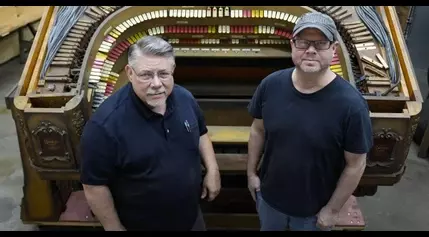
The Barton Opus, built in 1927, was a marvel of engineering and artistry. Capable of recreating the sounds of a vast array of instruments, from strings and flutes to tubas and percussion, this towering musical curiosity was the centerpiece of the Hollywood Theatre's live performances. Organists would captivate audiences, seamlessly blending the sounds of the organ with the on-screen action, creating an immersive and unforgettable experience for moviegoers.In its heyday, the Barton Opus was a true showstopper, with organists showcasing their virtuosity and versatility. "One guy could do it all," says Carlton Smith, the dedicated restorer who has been working tirelessly to bring the organ back to its former glory. "In the big cities, they were literally filling the theaters' thousands of seats multiple times during the day. They were showing live shows along with the films. It was a big production."
The Forgotten Treasure
After the Hollywood Theatre closed in the 1950s, the Barton Opus faced an uncertain future. Its fixtures were sold, and the massive instrument was on the verge of being lost to history. But in a stroke of luck, Henry Przybylski, a friend of organist John Lauter, purchased the organ at auction in the early 1960s, saving it from destruction.Przybylski, an engineer and organ enthusiast, carefully dismantled the Barton Opus, transporting its thousands of pieces to his home in Dearborn Heights, where it would remain unassembled for the next four decades. "He never heard or played that instrument ever," Lauter laments. "He lived a majority of his life owning that thing. He'd roll up the garage door and there would be that console in there. He made it known it was the very best there was."
A Serendipitous Rediscovery
In the early 2000s, the Barton Opus' odyssey took an unexpected turn. Steven Ball, a professional organist who had taught at the University of Michigan's Organ Department, learned of the organ's existence and reached out to Przybylski's widow, determined to ensure its preservation."I came up with every last bit of cash I could," Ball recalls, purchasing the Barton Opus and placing it in storage, determined to find it a new home where it could be restored and displayed in a setting befitting its grandeur.
A New Home for a Musical Icon
In 2019, Ball's perseverance paid off when he received a call from David C. Munson, the president of the Rochester Institute of Technology (RIT). Munson, who had known Ball since their days at the University of Michigan, was on a mission to acquire the best theater organ he could find for RIT's new performing arts center."I contacted Steven and asked where we could acquire the best theater organ," Munson says. "Steven said, 'Well that would be mine.'" Ball agreed to donate the Barton Opus to RIT, where it will become the centerpiece of the new facility, designed specifically to accommodate the organ's grandeur.The restoration work on the Barton Opus is now over two-thirds complete, with the organ set to be transported, piece by piece, to its new home in Rochester, New York. "The theater is designed to accommodate exactly this organ," Munson explains, adding that the architect has meticulously replicated the dimensions and layout of the original Hollywood Theatre to ensure the Barton Opus finds a perfect fit.As the Barton Opus embarks on its final journey, the anticipation builds for the day when this musical marvel will once again captivate audiences, transporting them back to the golden age of silent cinema and the glory days of Detroit's vibrant cultural landscape.