Kentucky's Proactive Approach to Curbing Opioid Epidemic Among Youth
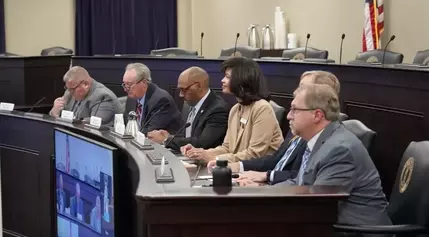
In a bold move to combat the opioid crisis plaguing Kentucky, the state's Opioid Abatement Advisory Commission has approved a .6 million investment over the next two years to fund a comprehensive addiction prevention campaign targeting the youth population. The initiative, proposed by Attorney General Russell Coleman, aims to educate and empower young Kentuckians between the ages of 13 and 26, providing them with the tools and resources to make informed decisions and steer clear of the dangers of opioid abuse.Reclaiming the Future: Kentucky's Innovative Approach to Opioid Prevention
Leveraging "Blood Money" for Positive Change
The funds allocated for this initiative come from legal settlements with drug companies, which Attorney General Coleman referred to as "blood money" – a poignant acknowledgment of the immense suffering and loss experienced by families across the Commonwealth due to the opioid epidemic. Rather than allowing this money to sit idle, the commission has chosen to channel it into a proactive and impactful campaign that will directly address the root causes of opioid abuse among the state's youth.
A Three-Pronged Approach to Addiction Prevention
The campaign, modeled after a successful initiative in Florida, consists of three key components. The first is an extensive social media and campus-based advertising campaign, titled "Better Without It," which will leverage the power of influencers and local talent to create content that resonates with Kentucky's young population. Drawing inspiration from the iconic "Click it or Ticket" campaign, the Attorney General believes that these types of educational initiatives can be highly effective in shaping attitudes and behaviors.The second arm of the campaign focuses on strengthening the state's existing school-based prevention programs, weaving them together into a more cohesive and comprehensive support system for students. By ensuring that young Kentuckians have access to a robust network of resources, the commission aims to empower them with the knowledge and tools necessary to make informed choices and resist the temptation of opioid experimentation.Lastly, the campaign will work to elevate and draw attention to the ongoing efforts of the Opioid Abatement Advisory Commission, fostering greater awareness and collaboration among stakeholders across the state. This multi-faceted approach underscores the commission's commitment to tackling the opioid crisis from multiple angles, with a keen focus on prevention and early intervention.
Combating the Opioid Epidemic: Encouraging Collaboration and Peer-to-Peer Engagement
In his impassioned plea to the commission, Attorney General Coleman emphasized the importance of reaching young people where they are, leveraging the power of peer influence to drive meaningful change. "We know young people are more likely to be influenced by their peers than (by) someone who looks like me," he stated, recognizing the need for honest and productive conversations about the dangers of substance abuse among students.By fostering a collaborative environment and empowering young Kentuckians to take an active role in the prevention efforts, the commission hopes to create a ripple effect that will resonate throughout the state. This approach acknowledges the unique challenges and vulnerabilities faced by the youth population, particularly those with a family history of addiction, and seeks to provide them with the support and resources they need to navigate the complexities of the opioid crisis.
Confronting the Harsh Realities: The Unforgiving Nature of Opioid Abuse
The urgency of the situation is not lost on the commission, as evidenced by the sobering statistics presented in the report. In 2023, Kentucky saw a decline in overdose deaths for the second consecutive year, with 1,984 fatalities – a slight improvement from the previous year's 2,135 deaths. However, the data also revealed that a staggering 79% of these deaths were attributed to the powerful synthetic opioid, fentanyl, underscoring the unforgiving nature of the crisis.The commission's efforts are particularly focused on addressing the alarming trend of overdose deaths among young Kentuckians, with around 460 individuals under the age of 34 succumbing to the crisis between 2021 and 2023. Attorney General Coleman's sobering warning to the commission members – "as little as one fentanyl pill can — and is — killing our neighbors" – serves as a stark reminder of the razor-thin margin for error in this battle, emphasizing the urgent need for proactive and comprehensive interventions.
Harnessing the Power of Opioid Settlement Funds for Meaningful Change
The Opioid Abatement Advisory Commission, established by the state legislature in 2021, has been entrusted with the responsibility of distributing the 0 million in settlement funds secured from opioid manufacturers and distributors. To date, the commission has awarded over million in grants to support a wide range of treatment, prevention, and recovery efforts across the state.The commission's decision to allocate a significant portion of these funds towards the youth-focused addiction prevention campaign underscores their commitment to addressing the crisis at its roots. By investing in the well-being and resilience of Kentucky's young population, the commission is taking a proactive approach to breaking the cycle of opioid abuse and paving the way for a healthier, more vibrant future for the Commonwealth.As the commission prepares to convene again on October 8th, the eyes of the state will be upon them, eager to witness the continued progress and impact of their efforts in combating the opioid epidemic. With a steadfast determination and a holistic, collaborative approach, Kentucky is poised to lead the way in reclaiming the lives and futures of its youth, one step at a time.