Summer Learning Programs Struggle to Bridge the COVID-19 Learning Gap
In the wake of the COVID-19 pandemic, summer learning programs have proliferated across the country, offering low-income students opportunities for enrichment and academic support. However, these programs are facing significant challenges, from funding shortfalls to low enrollment, as they strive to address the widening learning gap exacerbated by the pandemic.Bridging the COVID-19 Learning Divide: A Race Against Time
Pandemic's Impact on Student Learning
The COVID-19 pandemic has had a devastating impact on student learning, particularly in low-income districts. An analysis by the Harvard Center for Education Policy Research and Stanford's Educational Opportunity Project reveals that Massachusetts saw the biggest widening in the gap between districts serving low-income and high-income students, as well as among richer and poorer students within the same district. In Lynn, a city where three-quarters of students are low-income, students lost the equivalent of two years of learning in math and 1.5 years in reading.
The Rise of Summer Learning Programs
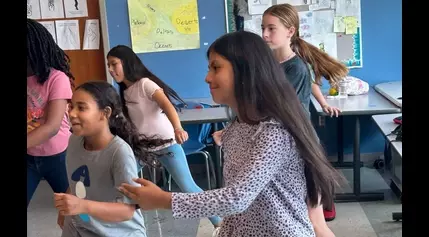
In response to these alarming learning losses, summer learning programs have proliferated across the country, buoyed by billions in federal recovery dollars. Nationwide, more than eight in 10 districts offered summer programs in 2023, many of them free of charge. These programs blend hands-on projects with fun activities, enticing students with lessons in cooking, dance, drama, sports, and song and video production, while also providing free meals and transportation.
Challenges Facing Summer Learning Programs
Despite the influx of federal funding, summer learning programs are still not operating at a large enough scale to make a significant dent in the country's COVID-related learning loss, researchers say. The federal money is running out, and some programs are preparing to cut staff and services and reduce the number of students they serve next summer. Patrick Stanton, executive director of the Massachusetts Afterschool Partnership, warns that families are in for a shock as programs close and waitlists grow even longer.
Addressing the Funding Cliff
Districts have until the end of September to allocate the remaining .1 billion of the pandemic recovery funds, and some of that money could go to summer programs. Schools can also try to tap into other federal funding streams to sustain these initiatives. However, the long-term viability of summer learning programs remains uncertain, as they face intense competition for donations and grants.
The Importance of Sustained Engagement
Another challenge is low student enrollment in summer programs, with an average of just 13 percent of students in the districts surveyed enrolling. Experts believe this is partly because families haven't fully grasped how far behind their kids remain. To address this, summer learning programs are working to re-engage and re-connect students to school, offering a blend of academic support and enrichment activities that cater to students' interests and needs.
Long-Term Strategies for Learning Recovery
Researchers caution that districts and states need to think long-term and tackle learning loss from multiple angles, not solely through summer learning. Thomas Kane, a professor of education and economics at Harvard University, warns that the high-poverty districts in Massachusetts will not have caught up by the time the federal money runs out. Sustained investments and comprehensive strategies will be crucial in ensuring that the setbacks students have suffered as a result of the pandemic do not follow them into adulthood.