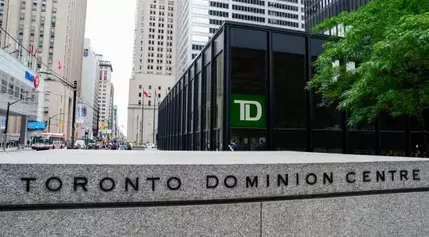
Massive Fines and Sanctions for TD Bank's Compliance Failures
Toronto-Dominion Bank, one of the largest financial institutions in North America, has been hit with a staggering .09 billion US in fines from US regulators after pleading guilty to multiple charges, including conspiracy to violate the Bank Secrecy Act and commit money laundering. The bank has also received a cease-and-desist order and non-financial sanctions from the Office of the Comptroller of the Currency, including an asset cap that limits its growth in the United States, due to "significant, systemic breakdowns" in its transaction monitoring program.Uncovering the Compliance Lapses at TD Bank
Enabling Financial Crimes to Flourish
The US Attorney General, Merrick Garland, has accused TD Bank of creating an environment that allowed financial crimes to thrive by making its services too convenient for criminals. The bank's plea agreement revealed that it had allowed three money-laundering networks to transfer more than 0 million US through its accounts over a six-year period. Shockingly, at least one of these schemes involved the participation of five TD Bank employees.
The Largest Bank Secrecy Act Penalty in History
This case marks a significant milestone, as TD Bank has become the largest bank in US history to plead guilty to Bank Secrecy Act program failures. It is also the first bank to ever plead guilty to conspiracy to commit money laundering. Garland described the penalty as the "largest ever" under the Bank Secrecy Act, underscoring the severity of TD Bank's compliance breaches.
Systemic Failures in Transaction Monitoring
The Office of the Comptroller of the Currency's cease-and-desist order and non-financial sanctions against TD Bank, including an asset cap, highlight the depth of the bank's compliance failures. The regulators found "significant, systemic breakdowns" in TD Bank's transaction monitoring program, which had allowed the illicit activities to go undetected for years.
Leadership Accountability and Succession
In the wake of these revelations, TD Bank's outgoing chief executive, Bharat Masrani, has acknowledged that the shortcomings were his responsibility to bear. The bank has announced that Raymond Chun will replace Masrani upon his retirement next year, signaling a leadership change as the institution grapples with the aftermath of these compliance lapses.
Broader Implications for the Banking Industry
The magnitude of the fines and sanctions imposed on TD Bank serves as a stark warning to the broader banking industry. It underscores the critical importance of robust compliance programs and the severe consequences that can arise from systemic failures in monitoring and detecting financial crimes. This case is likely to prompt heightened scrutiny and increased regulatory pressure on banks to strengthen their anti-money laundering and compliance measures.
Rebuilding Trust and Restoring Reputation
The reputational damage inflicted on TD Bank as a result of these compliance failures is immense. The bank will need to undertake a comprehensive review of its internal controls, risk management practices, and compliance culture to regain the trust of regulators, customers, and the public. This process will be crucial in ensuring that such lapses do not occur again and that the bank can move forward with a renewed commitment to ethical and responsible banking practices.