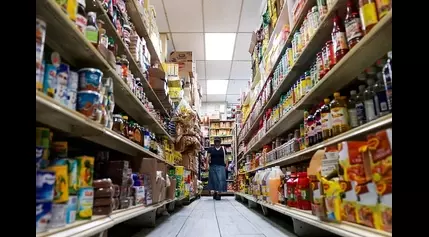
Tackling Inflation's Grip: Kamala Harris' Innovative Approach to Grocery Price Relief
As the 2024 presidential race heats up, Vice President Kamala Harris has unveiled a bold policy proposal aimed at addressing one of the most pressing issues for American voters: the soaring cost of groceries. With inflation still top of mind, Harris is positioning herself as a champion for consumers, promising to curb price gouging and provide much-needed relief at the checkout counter.Empowering Families, Stabilizing Prices
Curbing Grocery Price Gouging
Vice President Harris has vowed to crack down on unfair pricing practices in the grocery industry, calling for a ban on price gouging that has contributed to the financial strain on households nationwide. By instructing the Federal Trade Commission to closely monitor and penalize corporations engaging in such tactics, Harris aims to ensure that grocery prices are fair and reflective of market conditions, rather than inflated profits.The Harris campaign's proposal targets the meatpacking industry in particular, where a lack of competition has been a source of concern. By addressing the root causes of high food prices, the vice president hopes to provide direct relief to American families struggling with the rising cost of essential items.
Tackling Inflation's Broader Impact
Beyond targeting grocery prices, Harris has also unveiled a multifaceted plan to address the broader challenges posed by inflation. This includes a tax rebate for families with newborn children, aimed at offsetting the significant costs associated with raising a family in the current economic climate.Additionally, the vice president has pledged to boost homebuilding and promote legislation to curb rent hikes, as well as provide down-payment assistance for first-time homebuyers. These measures are designed to alleviate the financial burden on Americans, empowering them to weather the storm of high inflation.
The Roots of Grocery Price Inflation
While grocery retailers may be the most visible target of consumer ire, economists emphasize that the reasons behind the surge in food prices are multifaceted and often rooted deeper in the supply chain. Factors such as pandemic-related supply chain disruptions, rising energy and fertilizer costs, and labor shortages have all contributed to the inflationary pressures faced by the food industry.The Federal Reserve's monetary policies, as well as government stimulus measures, have also played a role in fueling demand and exacerbating inflationary pressures. As a result, the path to restoring price stability is a complex one, requiring a coordinated effort across various sectors and policymakers.
Navigating the Inflation Landscape
Despite the slowdown in the overall rate of inflation, food prices remain a significant concern for many Americans. While the Federal Reserve aims to maintain a target inflation rate of around 2% per year, food inflation has outpaced this target, with "food at home" prices rising by 21% since President Biden took office.Economists caution that the return to normalcy is not as simple as reversing the price hikes. Deflation, or a sustained decline in prices, can be equally problematic, often coinciding with deep recessions and credit shortages. The key, they say, is to achieve a balance where wages can catch up with the increased cost of living, allowing consumers to maintain their purchasing power without triggering further economic instability.
The Grocery Industry's Profit Margins
Contrary to popular perception, the profit margins of major grocery retailers are relatively low, typically ranging between 1% to 3% on average. This is in line with the industry's high-volume, low-margin business model, which aims to make up for slim profits through a large number of transactions.In comparison, food manufacturers, such as PepsiCo, often enjoy higher profit margins of around 13%. However, even these margins are not considered "obscene" by economists, who emphasize that a certain level of profitability is necessary for businesses to remain viable and continue serving consumers.The complexity of the food supply chain and the various factors contributing to price increases underscore the challenges policymakers face in addressing inflation's impact on grocery costs. As the 2024 campaign season unfolds, Kamala Harris' proposals to combat price gouging and provide broader financial relief for families will undoubtedly be a focal point of the political discourse.