The Ripple Effect of Diminishing SNAP Benefits: Minnesotans Struggle to Feed Their Families
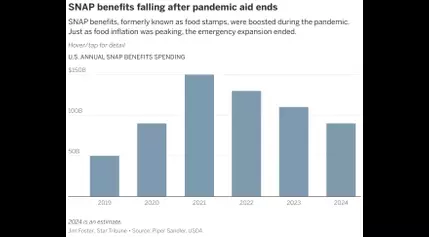
As the pandemic wanes and emergency SNAP benefits expire, food inflation has peaked, but grocery bills have not dropped. The one-two punch of higher prices and shoppers having less to spend on groceries has left hundreds of thousands of Minnesotans struggling to feed their families.Feeding Families in the Face of Dwindling Support
The Loss of a Lifeline
The expiration of the increased SNAP benefits, formerly known as food stamps, has had a profound impact on Minnesotans like Jean Leake, an 81-year-old on a fixed income. The additional funds had allowed her to stock her freezer and try new foods, but now she faces the "extra worry: how to survive." The emotional toll of losing this crucial support has been significant, as Leake describes it as a "grieving process."
The Broader Economic Implications
The decline in SNAP spending has rippled through the economy, affecting major food companies like Post Consumer Brands, General Mills, and Hormel. These companies have seen a notable drop in the amount of food they've sold since the emergency benefits ended in spring 2023. The program's advocates argue that SNAP benefits have a broader economic impact, as the money stays in circulation and supports American jobs.
The Strain on Food Banks and Charitable Organizations
The reduction in SNAP benefits has put significant pressure on food banks and charitable organizations. Food insecurity rates, which had been declining, have shot back up, and the charitable food system is struggling to meet the increased demand. This shift has implications beyond just feeding families, as it means less money being injected into the local economy.
The Untapped Potential of SNAP
Despite the program's importance, Minnesota has one of the lowest SNAP participation rates in the nation, with about 275,000 eligible Minnesotans not utilizing the benefits. Advocates argue that unlocking this potential could bring significant SNAP dollars into the state, providing much-needed support to families and boosting the local economy.
The Ongoing Struggle with Food Inflation
As the price of food remains stubbornly high, Minnesotans are now receiving million less per month in SNAP benefits, a decrease of about per person per month compared to 2022. This reduction in spending power has further exacerbated the challenges faced by families trying to put food on the table.
The Ripple Effect on Jobs and Businesses
The decline in SNAP spending could threaten thousands of Minnesota jobs, from grocery stores to major food manufacturers like General Mills. As shoppers spend more on groceries but bring home less food, the nation's largest food companies may see sales drop by an estimated billion annually as SNAP spending continues to decline nationally.In the face of these challenges, policymakers and advocates are calling for an adequate response to address the growing crisis of hunger in America. For individuals like Jean Leake, the loss of the extra SNAP benefits has been yet another burden to bear, compounding the emotional and financial strain of the pandemic's aftermath.