
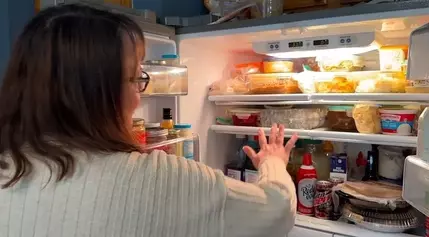
The holiday season brings joy and festivities, but it also leads to a significant increase in food waste. With larger gatherings and elaborate meals, households often find themselves with an abundance of leftovers. This issue extends beyond just sustainability; it poses economic challenges as well. Experts from the Solid Waste Authority of Central Ohio emphasize the importance of addressing this problem through creative solutions such as donating excess food, composting, and finding innovative ways to use leftovers.
Understanding the Holiday Food Waste Phenomenon
Holiday celebrations often result in an overabundance of food, leading to substantial waste. Despite efforts to manage leftovers, many households still end up discarding large quantities of uneaten food. The festive nature of these events, characterized by generous servings and multiple courses, contributes significantly to this issue. People tend to prepare more food than necessary, especially when hosting guests or organizing parties. This behavior is common during major holidays like Thanksgiving and Christmas, where traditional dishes are prepared in abundance.
Experts explain that the rise in food waste during the holiday season is primarily due to increased food preparation for festive gatherings. Activities such as baking and hosting larger dinners lead to higher waste generation. Hanna Greer-Brown from the Solid Waste Authority of Central Ohio notes that central Ohio alone sees approximately one million pounds of food waste reaching landfills daily. Over a year, this equates to families wasting thousands of dollars on uneaten food. The environmental and economic implications of this waste are profound, making it a critical issue to address.
Innovative Approaches to Reducing Holiday Food Waste
To combat the growing concern of holiday food waste, various strategies can be employed. Donating surplus food to local food banks, composting organic materials, and creatively repurposing leftovers are effective methods. These approaches not only reduce waste but also promote sustainable practices. Individuals like Kim Gajda have embraced these solutions, ensuring that their holiday meals generate minimal waste. By sending leftovers home with guests and planning additional meals using the remaining food, they maximize the utility of what they prepare.
The Solid Waste Authority of Central Ohio has launched initiatives aimed at raising awareness about food waste management. Their "Save More Than Food" campaign encourages residents to think proactively about how they handle leftover food. Suggestions include transforming leftovers into new dishes, freezing excess portions for later use, and exploring creative recipes. For instance, Gajda plans to serve turkey casseroles and hot sandwiches, extending the life of her holiday meals. By adopting these practices, individuals can make a meaningful impact on reducing food waste while enjoying their holiday feasts.